
About the business
The name is the job description
Lake Macquarie Pest Control does pest control, in Lake Macquarie. No slogan does more work than that sentence, so we let the work carry it: detailed visual inspections, findings in writing, a calendar kept.
What kind of outfit this is
Methodical, scheduled, daylight work
Some pest work is an emergency, and we take those. But most of what protects a home around this lake isn't dramatic: it's the same careful round, done properly, at the time of year it should be done. That's the business we've built, a standing service that inspects thoroughly, documents what it finds, treats what the findings justify, and comes back when the calendar says.
You won't get urgency theatre from us. No countdown offers, no "your home is at risk" doorstep talk. The coastal termite band is pressure enough; our job is to give you a clear picture of your own place and a sensible plan, then keep to it.
The work is done by licensed technicians. NSW licenses pest management as a trade, and timber pest work carries its own endorsement on top, which is exactly how it should be.

The paperwork is the product
You get it in writing, every time
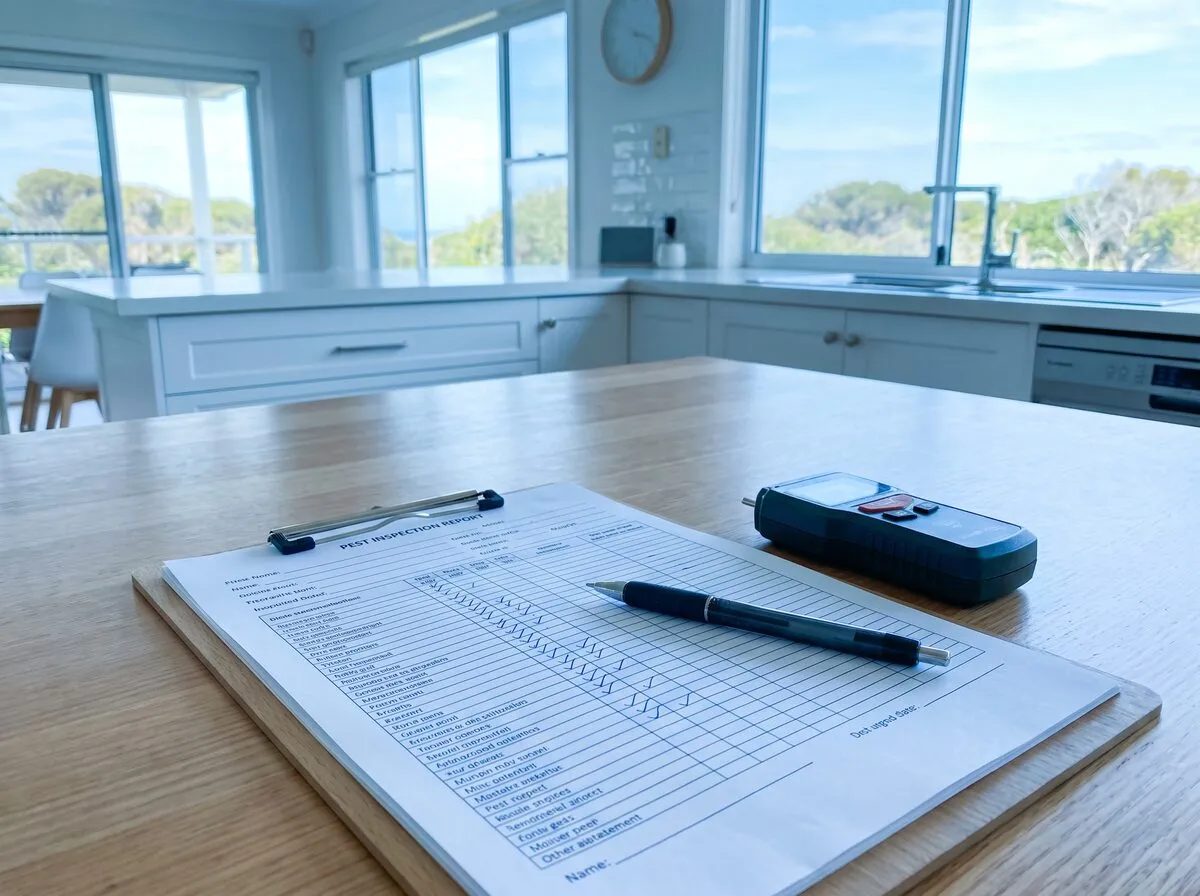
Every inspection ends in a written report: what's active, what's conducive, what we couldn't get access to, and what we recommend next. Not because it looks professional, but because a report is the thing you can act on. It's what you hand a conveyancer when you sell, what a landlord files, what an auditor asks a cafe for, and what tells the next inspection what to compare against.
The inspection itself is a detailed visual one, and the report covers the areas prone to termite attack, the best ways to deal with what's found, and any timber damage.
Here's exactly what an inspection involves, start to finish.
The district
Built around this lake's actual conditions
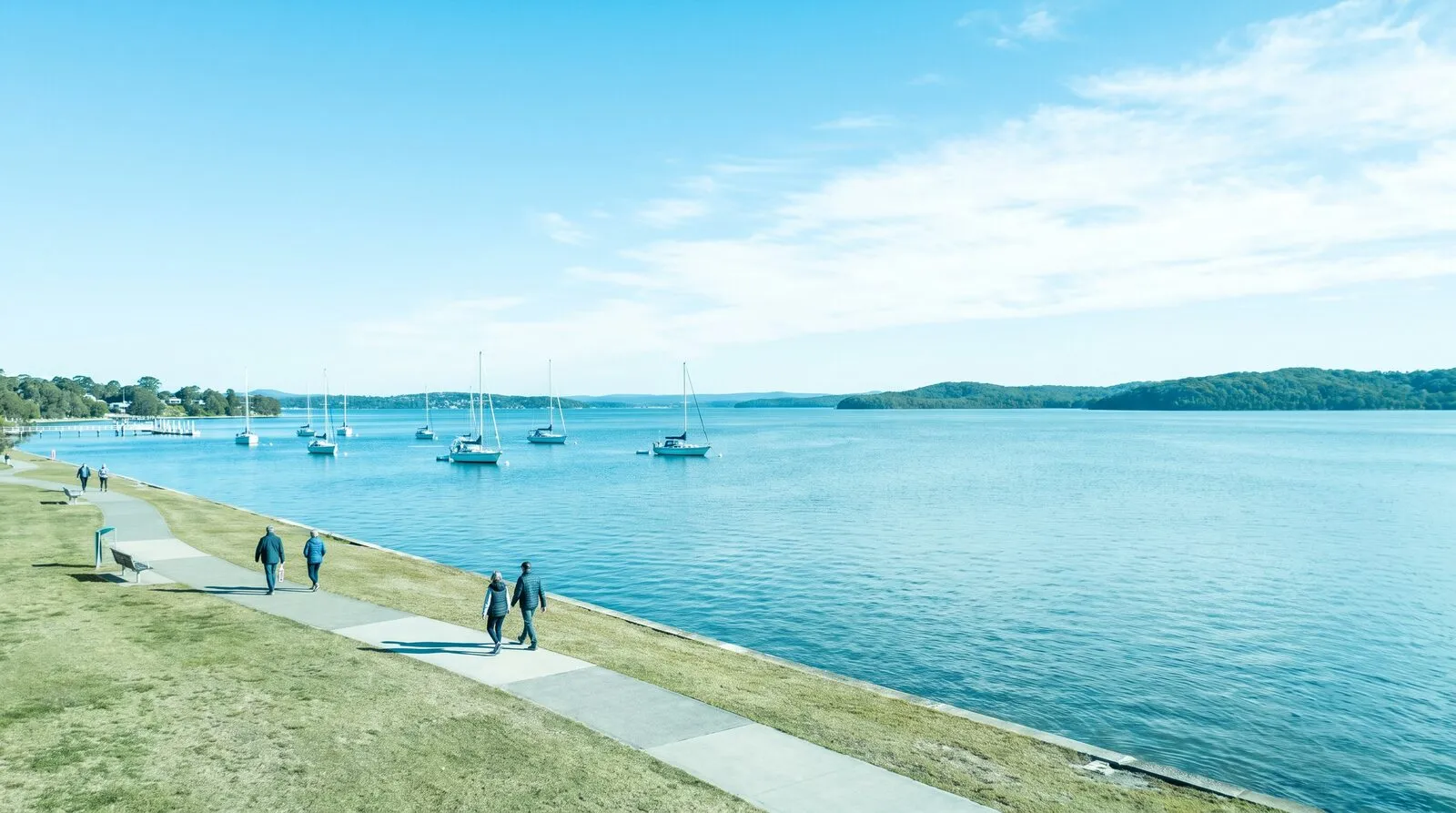
The Lake Macquarie LGA is a particular kind of pest territory. Coastal NSW sits in the high termite band, active year round. Around 85 per cent of the district's homes are detached houses, a deep stock of them timber-framed on subfloors in the established suburbs: Charlestown, Cardiff, Toronto, Warners Bay, Belmont, Swansea. The bushland corridors, Whitebridge out to Redhead, Cooranbong through to Martinsville, put gardens and stored timber hard against houses. And a humid coastal climate keeps the cockroaches, ants and moisture pests well fed through summer.
That mix sets our habits. We check subfloors like they matter, because here they do. We read garden lines and weep holes before we read anything else. And we keep the whole round on a calendar rather than waiting for trouble to ring us.
We're not the only pest company working this district, and we don't pretend to be. What we'll stand on is the method: inspect thoroughly, put it in writing, treat what the findings justify, come back on schedule.
Where we stand
What we will and won't tell you
Tell you what we found, including "nothing active". A clean report is a good day.
Price the work before it's booked, and quote termite management from findings, not from the footpath.
Name the conducive conditions you can fix yourself for free, like the garden bed bridging the weep holes.
Diagnose termites over the phone, guess a treatment sight unseen, or sell a barrier the inspection doesn't justify.
Alarm you into a booking. The facts of this coast do not need dressing up.