
Guides · the pest year, kept
Your year-round pest control calendar for Lake Macquarie
Pest pressure on this coast runs on a calendar, not a crisis. Termites hold all year, the insects ride the warm months, rodents move indoors when the nights cool. Here is the whole year set out month by month, with the one move worth making ahead of each phase, so you meet the season instead of chasing it.
The line that never clears
One pest keeps no season here
Read the calendar with this first: everything on it turns with the weather except termites, and termites are the reason the whole thing exists.
Coastal NSW sits in the high termite-hazard band, the same band as south-east Queensland: near year-round foraging, not a warm-weather visitor that packs up in April. On the wheel further down this page, that outer ring is solid the whole way around. It is the one line on the calendar that never eases, and it is why a termite inspection here is an annual habit rather than a reaction to trouble.
Lake Macquarie compounds the band with the housing termites are built for: so much of its established housing timber-framed on subfloors, through Cardiff, Charlestown, Belmont, Toronto, Warners Bay and Swansea, plus bushland-fringe pockets where garden timber meets a wall. The humid climate does the rest. About somewhere between 1,100 and 1,200 millimetres of rain across the year, heaviest from March through June, keeps subfloor moisture up into the cold months when you would least expect the pressure to hold.
One caveat matters more than any month on this page: the band belongs to the district, never to your house. Whether termites are actually at your place is a question only an inspection can answer. The calendar tells you when to keep the habit; the inspection is the habit, and the evidence behind the year-round claim is written up in full.
High, every month. The termite ring on the wheel is full all twelve months on purpose.
Coastal high-hazard band, established subfloor housing stock, and a humid climate that holds soil moisture through winter.
AS 3660.2 puts inspections at least every twelve months on homes in a termite area. Here that means annual as the floor.
Only an inspection establishes what's at your place. If you've seen mud leads or hollow timber, leave it undisturbed and book.
The pest year at a glance
Twelve months on this coast
The reference table. What's loud each month, in plain words rather than alarm colour, and the single move worth making that month. Termites hold high pressure in every row, so the "what's active" note tracks the seasonal pests that actually swing.
| Month | What's active here | The move to make |
|---|---|---|
| January | Cockroaches, ants and webbing spiders all at peak. Redbacks settled in dry, sheltered corners. Rodents quiet, out in the garden. | The summer treatment should already be down. Keep food sealed and benches clear after dark, and empty anything holding water. |
| February | The insect ceiling holds: cockroaches, ants and spiders busy in the heat. | Clear webbing from eaves and window frames, and move woodpiles and clutter off the ground before autumn. |
| March | Cockroaches and spiders still at peak, ants easing off. The first rodents test the roofline as nights cool. | Start proofing. Close eave gaps, torn vents and weep holes now, ahead of the autumn move indoors. |
| April | Rodents move indoors and climb toward peak. Cockroaches, ants and spiders all easing. | Seal it before they settle. Trim branches off the roof and cut the food supply in the pantry and pet area. |
| May | Rodents at peak in roof voids and wall cavities. A few spiders linger in shelter, other insects gone quiet. | Listen at night for movement overhead. Proofing beats bait laid after the event, so close the gaps first. |
| June | The quiet end of the insect year. Rodents hold at peak indoors, and the wet stretch that began in autumn is still running. | Check subfloor drains and downpipes while the rain shows you where the water sits. Standing water feeds rot and termites both. |
| July | Insects quiet, rodents still peak indoors. Cold, damp and dark: the low point of the seasonal year. | The winter lull is the smart time to book the annual termite inspection, ahead of the spring swarm rush. |
| August | Rodents beginning to ease as the cold breaks. Insects still quiet. The last quiet weeks before everything wakes. | Book now if you haven't. A late-winter inspection lands your report before swarm season, not in the queue during it. |
| September | Spring stirs: cockroaches and ants start building, rodents ease back outdoors. Termite reproductives ready to fly. | Get the general treatment in before the surge. After warm rain, watch for winged insects near timber, and don't disturb any you find. |
| October | Ants at peak, cockroaches and spiders building fast. Termite swarm season proper. Funnel-web males on the move after rain in the northern suburbs. | Pre-summer is the treatment window. Check the garden line against the walls and pull mulch back off the weep holes. |
| November | Cockroaches and ants at peak, spiders building toward summer. Warm and active, the year climbing. | The last comfortable window before the heat for the annual treatment. Keep bins sealed and outdoor lights away from doorways. |
| December | Full insect season: cockroaches, ants and spiders all at peak. Redbacks in furniture and letterboxes. Rodents outdoors and quiet. | Entertaining season, so keep food covered and standing water emptied, and shake out shoes and gloves left outside. |
Reading it for a single month? The rows above are the short answer. The four seasons below give the why behind each one, and the planner narrows the whole thing to your own street and home.
Summer · December to February
The loud months
Summer is the insect year at full volume. Heat and humidity push cockroaches, ants and webbing spiders all to their peak at once, and redbacks settle into the dry, sheltered spots we reach into without thinking: under outdoor furniture, in the letterbox, behind pots. It is the season people notice pests, and the season the work is hardest if nothing was done ahead of it.
The honest truth about summer is that the good moves belong to spring. A perimeter and internal treatment laid before the heat carries a home through the loud months far better than a call-out in January, once the populations are already up. What summer itself rewards is the small daily discipline: food sealed and benches wiped after dark so the roaches find nothing, standing water tipped out, shoes and gloves shaken before you put a hand in.

Cockroaches, ants and webbing spiders. Redbacks in dry, sheltered corners.
Rodents, out in the garden while it's warm.
Lay the treatment that carries you through summer by early spring. In the heat, the free wins are sealed food, cleared benches at night, and no standing water.
Autumn · March to May
The handover
Autumn is a change of guard. The insect chorus fades week by week as the heat leaves, and the rodents take their place: rats and mice reading the cooling nights and looking for a warm, dry roof void to spend winter in. By April they are climbing, and by May they hold at peak in ceilings and wall cavities across the district's older homes.
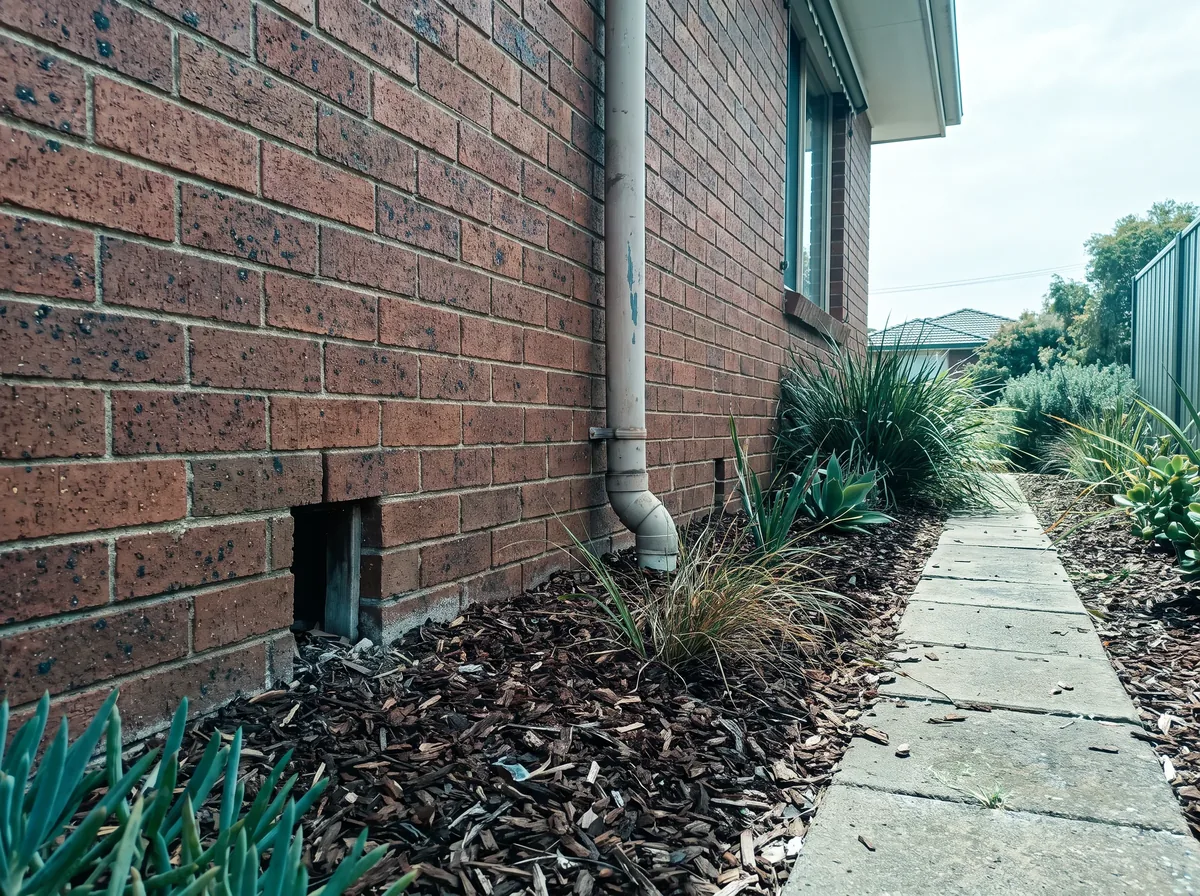
This is proofing season, and the timing is everything. Bait laid after a rodent has moved in and started breeding is chasing the problem. The entry points sealed in March and April, gaps at the eaves, torn subfloor vents, weep holes wide enough to admit a mouse, branches bridging to the roof, are what actually keep the population out. Proofing an older weatherboard or brick home is a methodical job, and it beats bait alone every time.
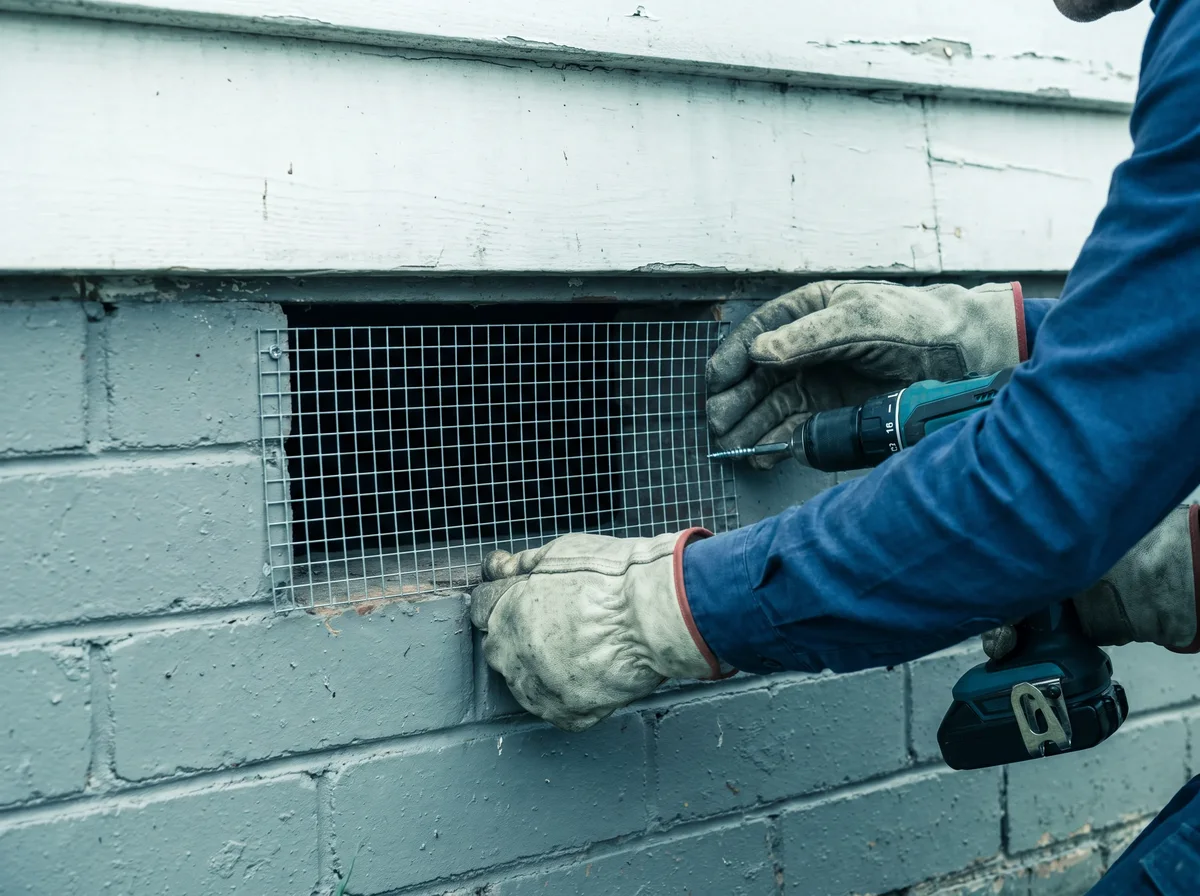
Rodents, climbing to peak as they move indoors for winter.
Cockroaches, ants and spiders, coming off the summer high.
Proof before they settle. Seal eave gaps, torn vents, weep holes and roof-bridging branches. Proofing beats bait laid after the fact.
Winter · June to August
The quiet that isn't
Winter looks like the off-season, and for the insects it is: cockroaches, ants and spiders drop to the quiet end of the year. But two things carry straight through it. Rodents hold at peak in the roof, warm and settled, and the termite band does not take the quarter off. June closes the district's wettest stretch, the run from March that soaks the ground, and that rain loads subfloors with exactly the moisture subterranean termites want, at the very time of year a homeowner assumes the pressure has gone.
So winter earns two moves. The first is drainage: while the rain is on, it shows you where water pools under the house and against the walls, and a cleared downpipe or a dug-out subfloor drain removes a genuine conducive condition before spring. The second is timing. The quiet weeks are the right ones to book the annual termite inspection, so the written report lands before the spring swarm rush, not in the queue during it.
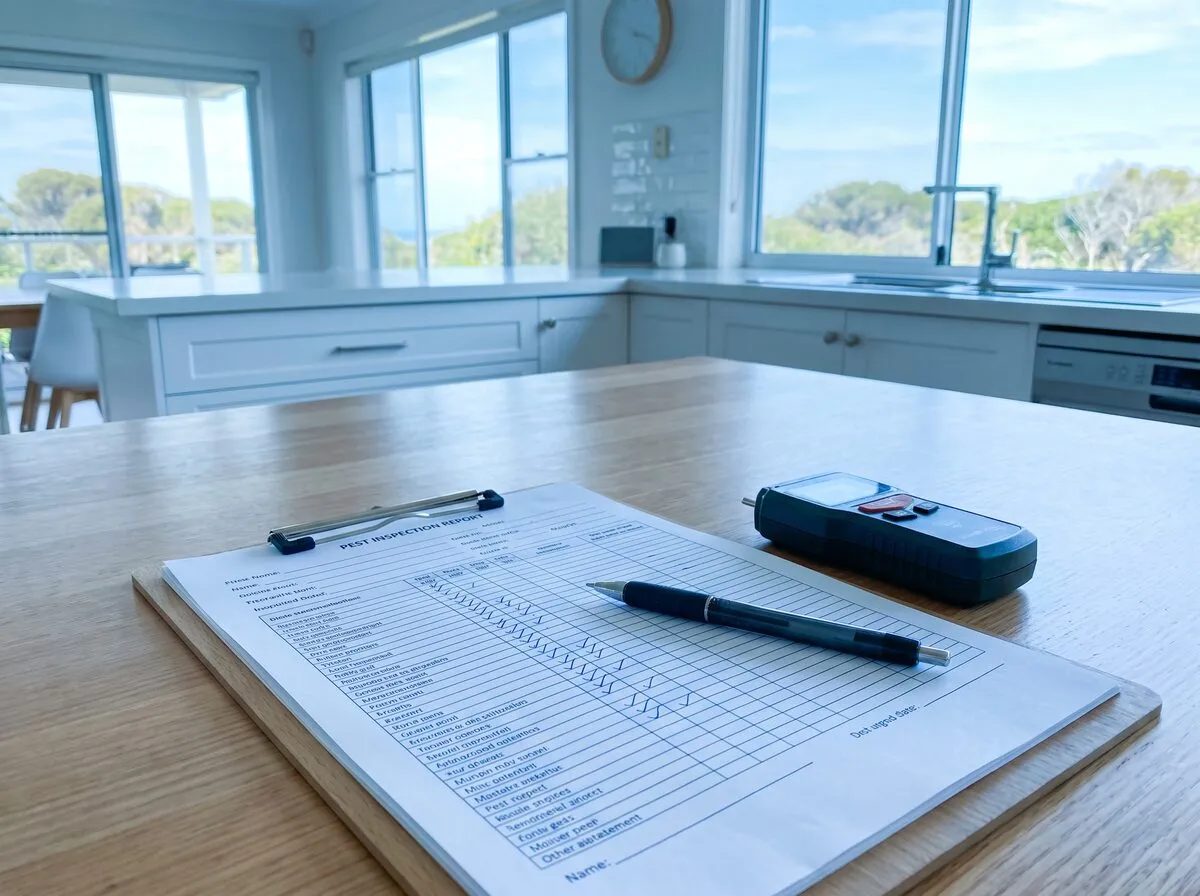
Rodents, holding in roof voids and wall cavities through the cold.
Subfloor moisture, in the wettest months of the local year.
Cockroaches, ants and spiders, the low point of the insect year.
Book the annual termite inspection in the lull, and clear subfloor drainage while the rain shows you where the water sits.
Spring · September to November
Everything wakes at once
Spring is the busiest turn of the year. Ants come up first and hit their peak, cockroaches and spiders build fast behind them, and the rodents ease back outdoors as the warmth returns. It is also termite swarm season proper: on warm, humid evenings the winged reproductives leave established colonies to start new ones, and a flight of them around a light or against a window is one of the few termite signs a homeowner sees with their own eyes.
This is the treatment window that sets up the whole summer. The annual general treatment laid in spring meets the insects on the way up instead of at the top. And the free conducive-condition work pays off most now: mulch and garden beds pulled back off the weep holes, firewood and stored timber kept off the ground and away from walls, the garden line checked against the house. If winged insects appear near timber after rain, the rule is the same as always, leave them undisturbed and book an inspection so what they came from can be traced.
Lake Macquarie's northern suburbs, Charlestown, Cardiff and Speers Point, sit within the small territory the Newcastle funnel-web spider is known from, a species found nowhere else on Earth. Males wander in search of a mate after spring and summer rain, which is when encounters happen, in a shed, a pool filter or a garden. This is worth awareness, not alarm: no deaths have been recorded since antivenom became available, and the first aid is well established (apply a pressure immobilisation bandage and seek antivenom). We will never tell you your property has funnel-webs, because no one can say that from a website. If spider activity around the home worries you, a general treatment and sensible yard habits are the honest response. See the Australian Museum for the species and first-aid detail.
Ants, and by late spring cockroaches. Termite swarm season after warm, humid evenings.
Spiders toward summer. Funnel-web males moving after rain in the northern suburbs.
Rodents, back outdoors as it warms.
The pre-summer treatment window. Pull mulch off the weep holes, keep timber off the ground, and don't disturb any winged insects near timber after rain.
Make it yours
This is the district's calendar. Your place shifts it.
The wheel below is the whole year in one picture: the termite ring solid all the way around, the seasonal pests turning inside it. It is the same calendar this page sets out in words.
- peak
- active
- quiet
- rings, outside in: termites · cockroaches · ants · spiders · rodents
A bushland-fringe street runs a harder spider season and takes its rodents earlier. An established lakeside home holds its humid-weather roaches longer. A newer estate carries less rodent harbourage. Your construction and the garden line against your walls change what matters most, and when.
The planner takes four short questions, where your place sits, what's under the floor, whether garden or timber meets the walls, and when the last inspection was, then re-draws this wheel for your home and writes the plan up as a field report: what's pressing now, what's coming next quarter, and when your next inspection falls due. It never diagnoses and never prices. It turns this general calendar into your own.
Asked about the year
Calendar questions, answered plainly
What's the worst month for pests in Lake Macquarie?
It depends which pest. The insects, cockroaches, ants and spiders, are loudest from December to February, at the peak of the heat and humidity. Rodents are worst in the depth of winter, when they've settled into roof voids. Termites have no worst month here at all: the coastal high-hazard band means they hold pressure all year, which is why they get an annual inspection rather than a season.
Do pests really stay active through a Lake Macquarie winter?
Yes, just different ones. The insects quieten right down, so it feels like the off-season. But rodents are at their peak indoors through the cold, and the termite band doesn't ease. June also caps the wettest stretch of the local year, which loads subfloors with moisture at exactly the time most people assume the risk has gone. Winter is quiet on the surface, not underneath it.
When should I book the annual termite inspection?
The honest answer is a year after your last one, wherever that lands, because AS 3660.2 puts annual as the floor on a coast like this. If you're starting fresh, the late-winter and early-spring weeks book well, ahead of the swarm-season rush, so the report lands while you can act on it. But on a coast with no off-season, the month that counts is the one that makes it into the diary. The planner will pin yours down in two minutes.
When do rodents come inside?
From autumn. As the nights cool through March, the first ones test the roofline, and by April and May they're climbing to peak indoors and looking to overwinter in the roof void. That's why proofing is an autumn job: sealing the entry points in March, before they settle, works far better than baiting a home they've already moved into and started breeding in. Our rodent work leads with the proofing for that reason.
Is there a funnel-web season here?
Encounters rise in spring and summer, especially after rain, when male Newcastle funnel-webs wander in search of a mate. The northern suburbs, Charlestown, Cardiff and Speers Point, sit inside the species' known range. This is a matter of awareness rather than alarm: no deaths have been recorded since antivenom became available, and pressure immobilisation first aid is well established. What we won't do is tell you your property has them, because that isn't a claim anyone can honestly make from a distance. The Australian Museum has the reliable detail.
Can I just treat once a year and forget about it?
For general pests, an annual treatment is a genuine rhythm for most homes, timed to spring so it meets the insects on the way up, and it's offered as a one-off per-treatment or an ongoing annual service. The termite side runs alongside it: the inspection is a set fee, booked yearly, and any management the findings justify is quoted from the inspection, never priced from the footpath. So "once a year" is close to right, as long as it's the annual treatment and the annual inspection, not one or the other.
Sources worth your time
- Australian Museum: Newcastle funnel-web spider. The species' known range, its distinction from the Sydney funnel-web, and the first-aid guidance the note above draws on. The reliable authority on the spiders named on this page.
- Bureau of Meteorology, Newcastle Nobbys climate statistics. The climate record behind the calendar: the humid coastal pattern and the March-to-June rainfall peak that keeps subfloor moisture up into winter.
- Standards Australia. AS 3660.2 (termite management in existing buildings) sets the at-least-annual inspection rhythm this calendar is built around.
- NSW EPA: pesticide and pest management licensing. Pest control is licensed trade work in NSW, and termite work carries its own endorsement. The regulator that administers it.