
Services · per-pest · the autumn work
Rodent control in Lake Macquarie
From about April the rats and mice move indoors, into roof voids and wall cavities. On the district's older weatherboard and brick homes the lasting fix isn't more bait, it's finding the way in and closing it. We proof first, then bait where the job justifies it.
That scratching overhead is worth a call before it's worth a bucket of pellets. Loose bait laid in a hurry sends poisoned rats into your wall cavities to die, and it does nothing about the gap that let them in. Note where the noise is loudest and roughly what time, and book an inspection. Finding the entry point is the part that actually ends it.
Why autumn is the season
They come indoors when the weather turns
Rodents don't arrive with a heatwave. They arrive when it cools off, looking for the warm, dry, undisturbed space your roof and subfloor give them, and this district hands them plenty of it.
As autumn closes in and the nights drop away, rats and mice that spent summer in the garden, the bush edge and along the lake's stormwater lines start working their way inside. Roof voids and wall cavities are exactly what they're after: warm, dark, close to a food source, and quiet. The pressure builds through autumn and holds all winter.
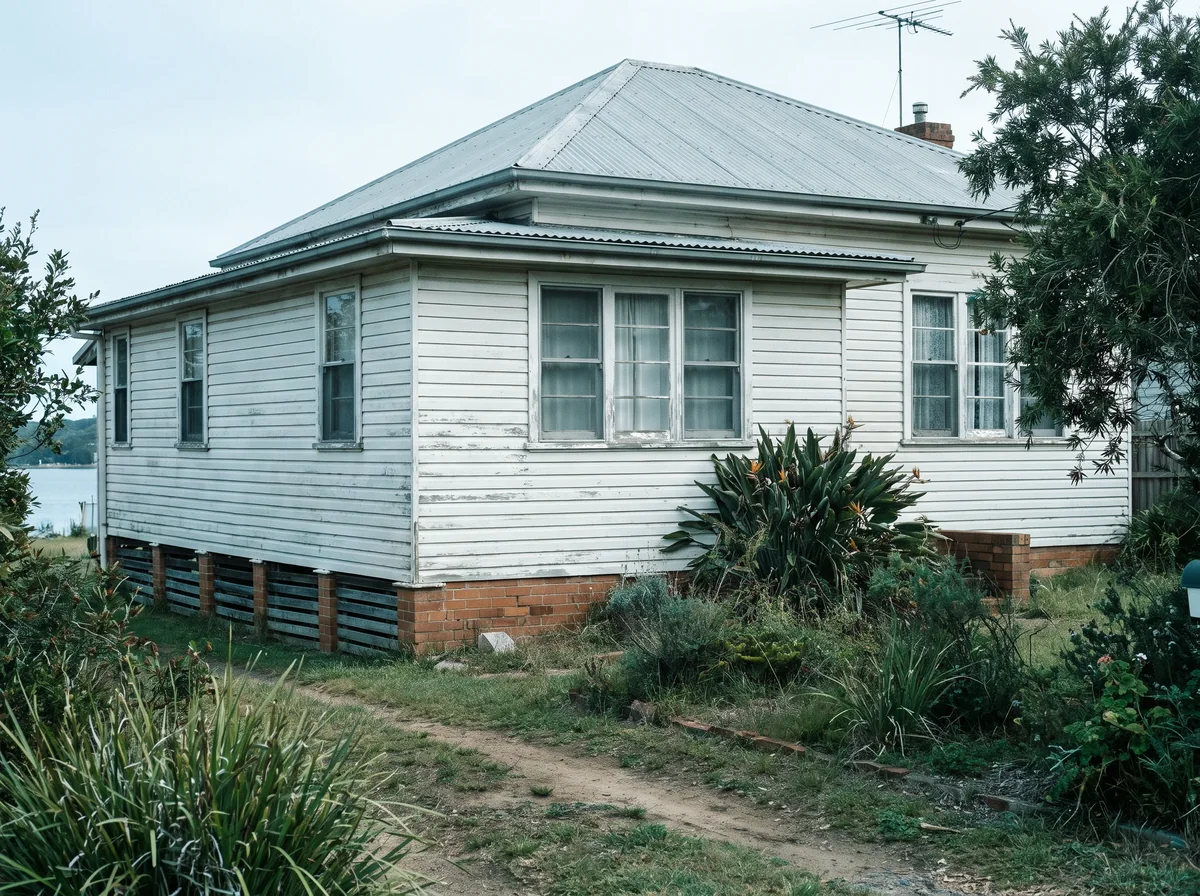
Lake Macquarie's housing stock makes it easy for them. A deep run of established weatherboard and brick homes through Charlestown, Cardiff, Toronto, Belmont and Swansea, many of them decades old, means original subfloor vents, perished mortar, worn door seals and gaps around every pipe and cable that has ever been run through a wall. Every one of those is a door. The homes near bushland corridors and the lake edge get the steadiest traffic of all.
So the timing matters. Getting the proofing done before winter is the difference between one autumn job and a problem that reappears every year. If it's already noisy up there, that season has started, and the inspection is the first move. You can also plan the whole year ahead with the pest year planner.
Know which one you've got
Rats and mice, told apart
Three rodents turn up in homes here, and they don't live in the same places or come in the same way. Which one you've got decides where the work goes, which is why the inspection starts by reading the signs, not reaching for bait.
| Rodent | Where it lives here | The tell |
|---|---|---|
| Black rat roof rat |
A climber. Roof voids, wall cavities, up along fence lines and into overhanging branches. The one behind most "noise in the ceiling" calls in this district. | Night scratching overhead, droppings through the roof insulation, greasy rub-marks where it runs along a beam. |
| Brown rat Norway rat |
A burrower, and it stays low. Subfloor, garden beds, under slabs, along drains and the lake-edge stormwater lines. | Burrows near the foundations, gnawed pipe lagging, worn runs along the base of an external wall. |
| House mouse | Wall cavities and kitchens. Slips through any gap near pencil width, roughly six millimetres, so almost nothing is too small. | Small dark droppings in drawers and the pantry, a faint musky smell, chewed food packaging. |
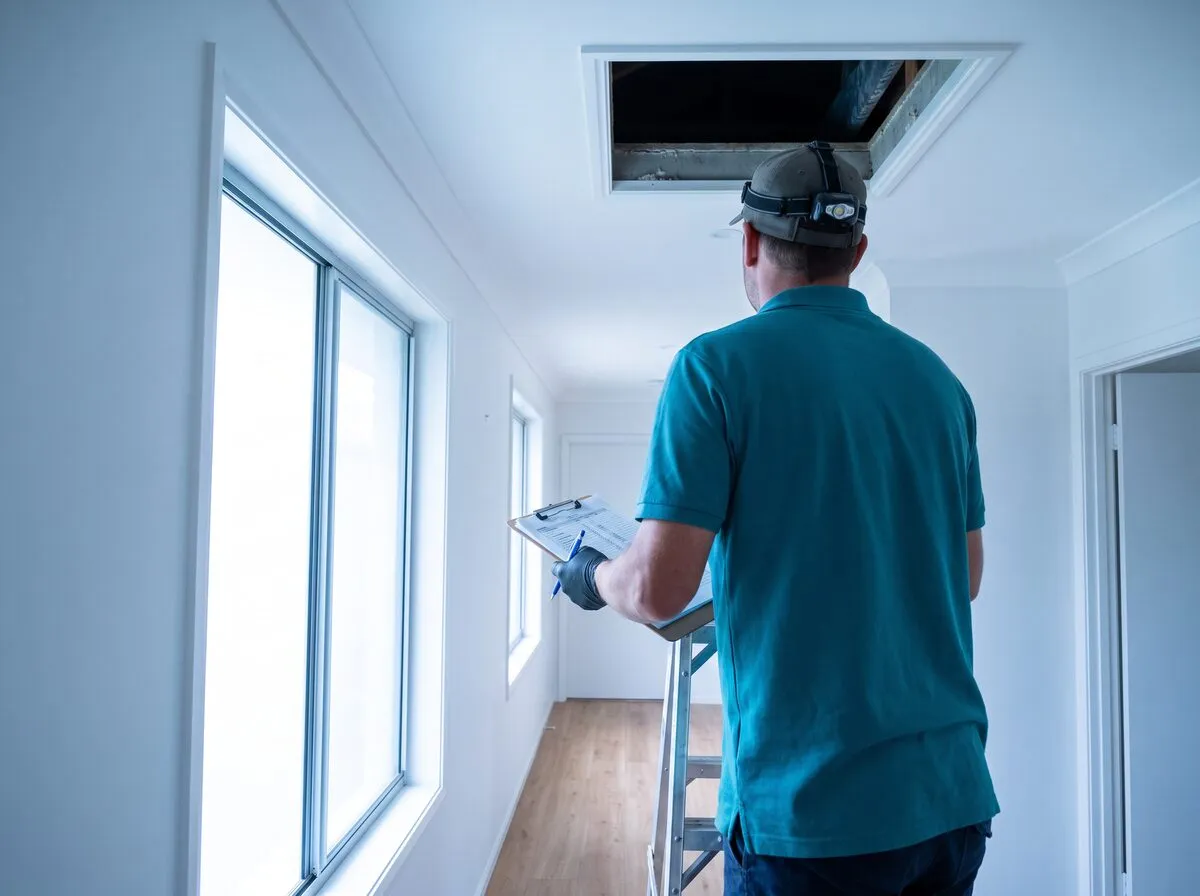
None of this is a diagnosis from the driveway. The point of naming them is that the fix differs: the black rat sends us to the roofline first, the brown rat to the subfloor and drains, the mouse to the small gaps everyone else misses. The inspection settles which before anything is laid.
The method
Proofing first, bait second
Baiting a rodent population without closing the door is a treadmill: it thins the numbers, then next autumn's rats walk in the same gap. The order that actually ends it is proofing first. This is the whole method, and we don't run it backwards.
Bait is the tool everyone reaches for, and on its own it's the reason rodents feel like a yearly subscription: you thin them, the survivors breed back, and the open gap they came through is still open. The order matters more than the products do.
So we read the house before we treat it, seal the ways in that the inspection actually found, take away what's drawing them, and only then place bait where it earns its place. The step in the middle, the proofing, is the one that makes the rest hold.
-
Inspect and read the runs
We work out which rodent it is and how it's getting in, following the runs through the roof void, subfloor and wall lines. Nothing is laid until we know where the traffic actually goes.
-
Proof the entry points
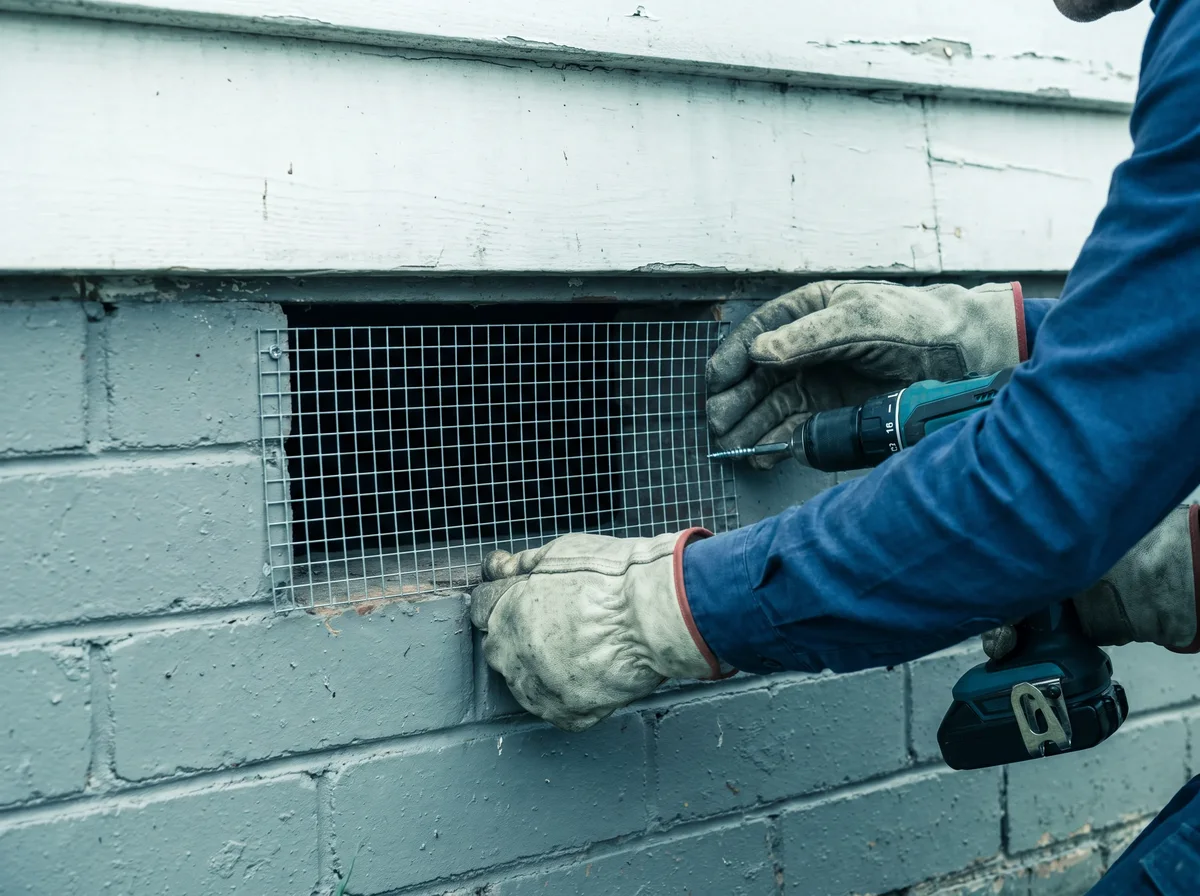
The ways in get sealed with durable materials: galvanised mesh behind vents, sealed gaps around pipes and cables, the roofline closed, starting with the ones the inspection found active. This is the step a bait-only job skips, and it's exactly why those don't last.
-
Take away the draw
The attractants and harbourage come next: pet food left out overnight, stored timber and boxes against the wall, branches touching the roof, subfloor moisture. Free to fix, and it lifts the pressure off everything else.
-
Bait where it's justified
A registered rodenticide, in locked tamper-resistant stations placed on the runs, out of reach of children, pets and native wildlife. It's a tool inside the method, never the first move and never scattered loose.
-
Check back and close it out
We return to confirm the activity has stopped and the proofing is holding. A rodent job isn't finished when the bait goes down; it's finished when the noise is gone and stays gone.
What we seal
The entry points on an older home
An older weatherboard or brick home accumulates entry points the way it accumulates coats of paint. The proofing scope below is what we read on a typical established Lake Macquarie house, and the order we usually work it, roofline down to threshold.
The trick with a home this age is that the gaps compound: perished mortar under a lifted eave under a worn door seal add up to steady traffic even when no single one looks like much. Sealing them properly, so the airflow and drainage a home needs are kept, is the part that's worth a trade doing.
None of it is a fixed list applied blind. What actually gets sealed comes from the inspection, and it goes to you in writing so you know what was done and where.
Original terracotta or timber-slat vents perish and gap with age. Galvanised mesh behind them keeps the airflow the subfloor needs and keeps rats out.
Mortar gaps and weep holes in the base course. Sealed with covers that still let the wall drain and breathe.
Where water, gas, waste and cabling pass through a wall or floor, the gap around them is a standing mouse door. Sealed tight to the service.
Gaps where the roof sheet meets the wall, broken bargeboards, lifted tiles: the black rat's way into the void.
Worn door sweeps and gaps under external doors. The width of a pencil is enough for a mouse.
Why bait alone lets you down
What the shortcut costs you
Bait works, in the narrow sense that it kills rodents. The trouble is what happens around it when that's the whole plan, and every one of these is a call we take often.
| What goes wrong | Why it happens | What changes it |
|---|---|---|
| Something dies in the wall | A poisoned rat retreats to a cavity or the subfloor to die, and the smell is yours for a week or two. | Proofing plus placed, checkable stations on the runs, rather than loose bait sending them off to die out of reach. |
| A pet or native animal is poisoned | Loose bait gets carried off, and a poisoned rat can pass the dose up the food chain to an owl, goanna or the family dog. | A registered bait in locked tamper-resistant stations only, placed where the rodents run and nothing else can reach. |
| Wiring and pipes chewed through | Rodents gnaw constantly to wear their teeth down. Cabling, pipe lagging and water lines are all fair game, out of sight until something fails. | Sealing the entries and taking the harbourage away, so the pressure comes off the structure, not just the population. |
| Back again next autumn | Thin the numbers but leave the door open, and next season's rodents arrive by the same route. | The proofing. It's the part that turns a treatment into a fix that holds through the next cold snap. |
How the baiting is done
Baiting, done responsibly
Where the inspection says baiting earns its place, it's done the careful way. Rodenticides used in this work are registered products, and applying them is licensed trade work in NSW for a reason: placement, dosage and containment all matter, to your household and to the wildlife around a lake.
So bait goes into locked, tamper-resistant stations, positioned on the runs the inspection found, where a child, a pet or a curious goanna can't get to it. It's recorded, so you and anyone who follows, an agent, a strata manager, the next inspection, can see what was placed and where. We don't hand out loose pellets and we don't name-drop a magic product; the method is the thing that works.
The proofing-and-control job done once, properly, so autumn stops being rodent season at your place.
What was found and done written up for the file, so the paperwork side is handled along with the pest.
Rodents belong to the building, not one unit. Proofing and baiting planned across it works where treating a single kitchen doesn't.
Straight answers
Rodent questions, answered plainly
It's only at night, up in the roof. Is that rats or possums?
Both are common here and they need opposite handling, so it's worth pinning down first. Rats you proof and control. Possums are protected native animals, which means exclusion only, never poison or removal, and only where it's done lawfully. Tell us what you're hearing and roughly where, and we'll work out which it is before anything is laid.
Can't I just buy baits from the hardware store?
You can, and for a single stray mouse it might be enough. The trouble is a roof full of rats: loose bait sends poisoned rodents into the wall cavities to die, and it does nothing about the gap that let them in. The lasting fix is finding and sealing the entry points, with placed bait as the backup, not the whole plan.
Something's died in the wall and it stinks. Can you help?
We can usually narrow down the spot and advise on getting to it, and, more to the point, find and close the entry so it doesn't happen again. A dead-animal smell fades over a week or two on its own; an open entry point doesn't. That's the part worth fixing.
We back onto bush, or close to the water. Does that change the job?
It raises the pressure. Bushland edges and the lake's stormwater lines are rodent highways, and homes on the fringe get steady traffic from autumn on. It's more reason to proof the house properly rather than bait on repeat, because the supply outside isn't going to stop.
Do you do rodent work for rentals and strata?
Yes. For a rental we document what was found and done for the agent's file. In a shared building rodents belong to the building, not one unit, so the proofing and baiting work best planned across it, treating one kitchen alone tends to move the traffic next door. Tell us in the enquiry which it is.
What does rodent control cost?
It's quoted to the job, because a single-entry mouse problem and a proofed-and-baited roof full of rats are different amounts of work. We set out the scope and the price when we confirm the booking, and there's no charge to have us take a look and tell you what's involved.
Sources worth your time
- NSW EPA: pesticide and pest management licensing. Applying rodenticides commercially is licensed trade work in NSW. This is the regulator that administers it.
- APVMA. The national regulator that registers the rodenticide products used in this work. "Registered" means assessed and approved for a defined use, which is why placement and containment aren't a free-for-all.
- Australian Museum. The natural-history reference behind the species notes here: the black rat, brown rat and house mouse, their habits and where they live.