
Areas · the Newcastle line
Pest control in Charlestown
Charlestown is the busy middle of the district: the LGA's shopping and commercial heart, wrapped in some of its densest established housing, and close enough to the Newcastle boundary to sit inside the Newcastle funnel-web's known range. That mix, established subfloor homes, a working commercial precinct, and the LGA's north, is exactly what a standing round is built to keep an eye on.
What the work looks like here
A dense ring of established homes
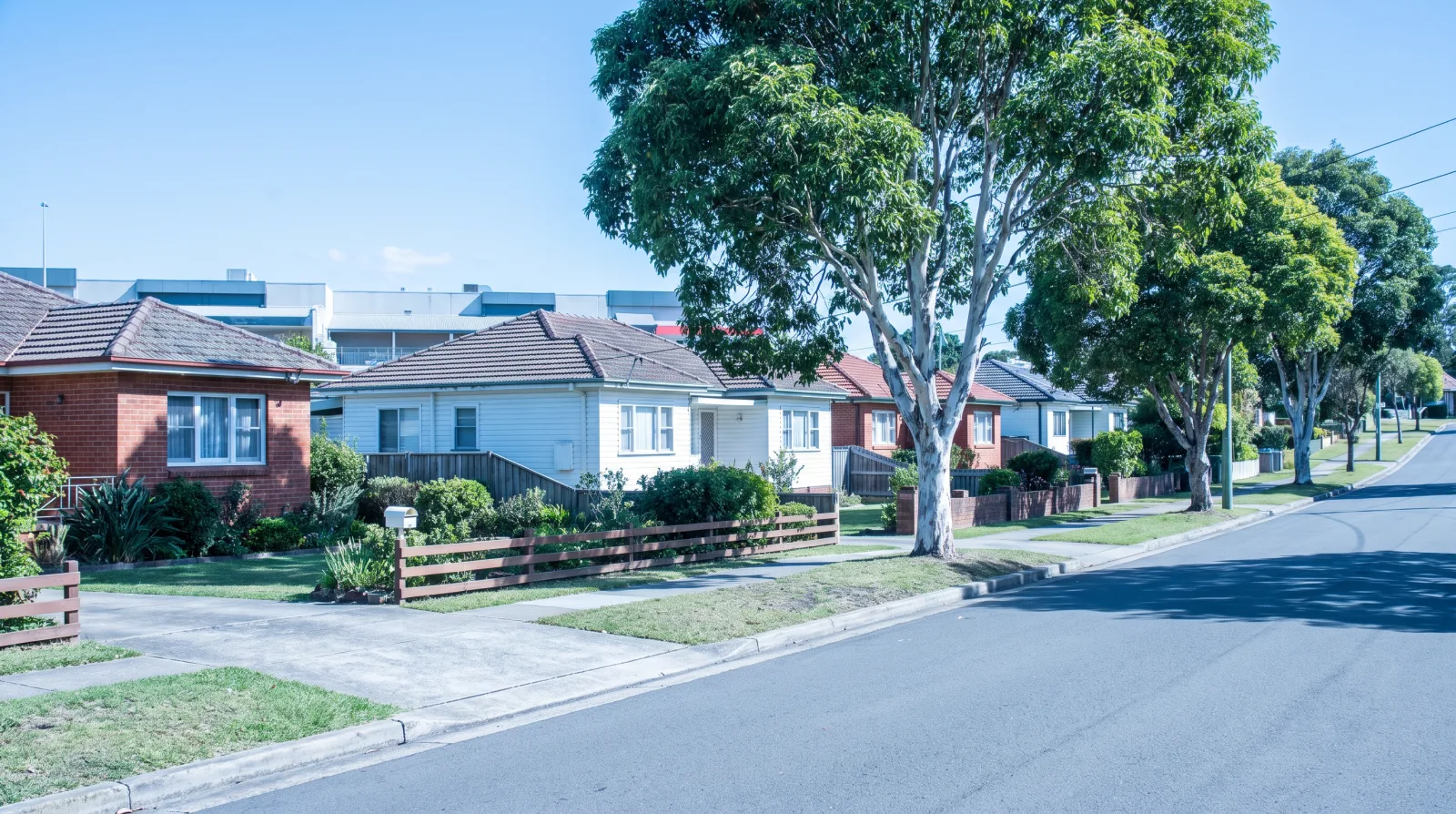
Around the shopping centre, Charlestown is street after street of established detached houses, a lot of them from the mid-century, brick and weatherboard on timber floors. That is the kind of stock a termite inspection reads most carefully, so on a typical Charlestown job the opening twenty minutes are under the house: ant caps on the piers, the pier and bearer lines, subfloor ventilation, and the moisture that a humid coastal year keeps feeding into the ground.
The gardens matter as much as the frame. Older homes here have had decades for a garden bed to creep up over a weep hole, for a paver to be laid against the wall, or for a woodpile to settle in beside the shed. None of that means termites, but every bit of it is a conducive condition, the sort of thing the inspection notes and the report explains, so you know what to keep an eye on between visits.
Charlestown also sits high enough that plenty of streets fall away toward Mount Hutton and the gullies behind them. On a sloping block the drainage and the retaining walls become part of the story: where water sits, and where timber meets damp soil, is where the inspection slows down and looks harder.
The LGA's north, honestly
Funnel-webs, without the scare
Charlestown is about two kilometres from the Newcastle boundary, which is worth knowing for one specific reason: the Newcastle funnel-web spider's entire known range sits inside roughly a 25 kilometre radius of Newcastle, and the LGA's northern suburbs, Charlestown among them, fall inside it. We would rather explain that plainly than let it become either a scare or a secret.
The honest version is this. The Newcastle funnel-web is a real, named species, larger than its better-known Sydney cousin, and its bite is genuinely dangerous without treatment. It is also a species antivenom handles well: there have been no deaths from any funnel-web in Australia since the antivenom became available. Sightings pick up after rain, when the males wander in search of a mate and turn up in yards, sheds, garages and pool filter boxes, which is when most encounters happen.
What we do not do is tell you your home has funnel-webs, because no honest operator can say that from a distance. What a spider treatment does is target the harbourage they favour around a property and cut down the odds of an encounter near the house. If you want the species detail and the district picture, our spider work covers redbacks and webbing spiders across the whole LGA alongside the funnel-web note for the north.
Keep the person calm and as still as possible. Movement moves the venom.
Apply a pressure immobilisation bandage to the limb, the same first aid used for snake bite, and splint it.
Call triple zero. Funnel-web antivenom exists and works; the hospital is where it is.
This is general safety awareness, not a claim that any particular yard has them. If a spider is a worry at your place, book a look and we will tell you what we actually find.
The commercial heart of the LGA
Scheduled work for the shopping precinct
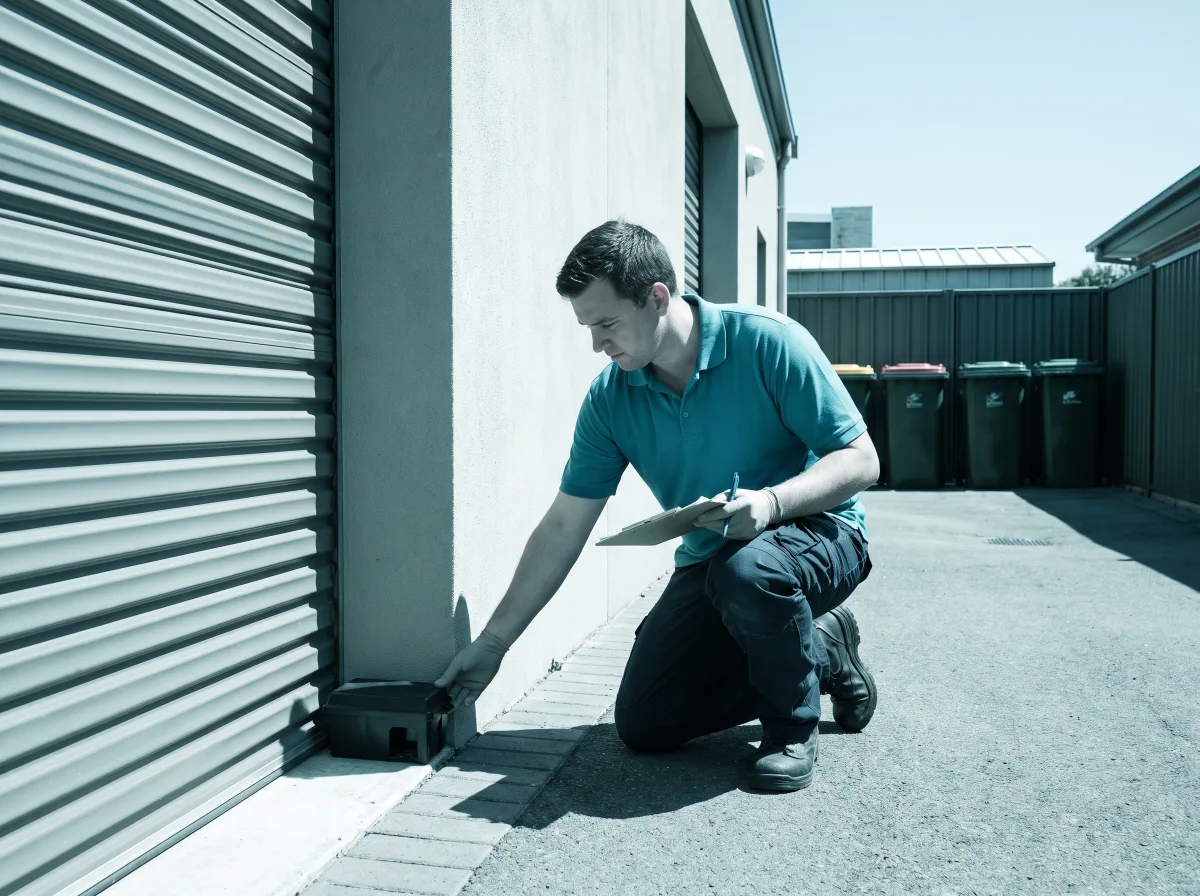
Charlestown is not just a residential suburb; it is where the district comes to shop and eat, and a working commercial precinct is a different kind of pest job. Cafes, food retail, offices, medical and allied-health rooms, all of them share walls, waste areas and delivery doors, and cockroach or rodent pressure in that setting belongs to the block, not to one tenancy.
For a food business the paperwork is half the point. A food-safety audit expects a pest program and the records to go with it, so the value we bring is a scheduled service, done to a plan, and documented each visit so the file is ready when someone asks for it. No dramatics, no urgency selling, just the round kept and written up.
That is the whole shape of our commercial work: a service interval that suits the premises, monitoring where it earns its place, and a report after every visit that an auditor, a landlord or a franchisor can read.
On the register here
What Charlestown books us for
-
01
Termite inspections, and management where findings justify it
A standing yearly habit for the suburb's established subfloor homes, the job to get in before renovation opens a wall, and a sensible first booking for new owners in a suburb where established homes change hands often.
the service → -
02
Commercial premises
The precinct's cafes, shops, offices and consulting rooms: scheduled service on a plan, documented every visit for the audit file.
the service → -
03
The annual home round
A general round run to the season's clock: cockroaches and ants before summer, rodent work as autumn closes in, the yearly termite inspection kept to the same beat.
the service → -
04
Spiders, funnel-web included
Redbacks and webbing spiders across the property, and the honest funnel-web note for the LGA's north: harbourage treated, awareness given straight.
the service →
Asked in Charlestown
Local questions
Is it true there are funnel-webs around Charlestown?
Charlestown sits inside the Newcastle funnel-web's known range, which is a real fact worth knowing, not a reason to panic. Sightings rise after rain when the males are on the move. We will not tell you your yard has them, because nobody honest can from a distance, but we can treat the harbourage around a home and give you the straight first-aid facts. The section above lays them out.
We run a cafe near the shops. What does a pest program actually involve?
A service interval that suits the premises, monitoring where it belongs, and a written report after each visit so your food-safety file is ready when it is asked for. Tell us it is a food business in the enquiry and roughly how busy the kitchen is, and we will work the plan around your trade, not against it.
Our place is an older weatherboard on a slope toward Mount Hutton. Anything different?
A sloping block puts more weight on drainage and retaining walls, and those are exactly the spots an inspection lingers on: where water sits, and where timber, sleepers or garden edging meet damp soil. It is the ordinary coastal termite story, just read off the slope. An older weatherboard also gives an inspection plenty to look at, which is a good thing.
How much does an inspection cost, and can you come today?
The inspection itself is one set price, settled when the booking is. If the report points to termite management, that work is quoted from the written findings, not from a look over the fence. We schedule inspections rather than promise a same-day dash, because a careful inspection takes the hours it takes. Start with the enquiry form and we'll reply with a time that works.
Sources worth your time
- Australian Museum: Newcastle funnel-web spider (Atrax christenseni). The species description, its range around Newcastle, and how it differs from the Sydney funnel-web. The source for the awareness on this page.
- NSW EPA: pesticide and pest management licensing. Pest management is licensed trade work in NSW, and termite work carries its own endorsement. This is the regulator that administers it.