
Areas · the southern lake entrance
Pest control in Swansea
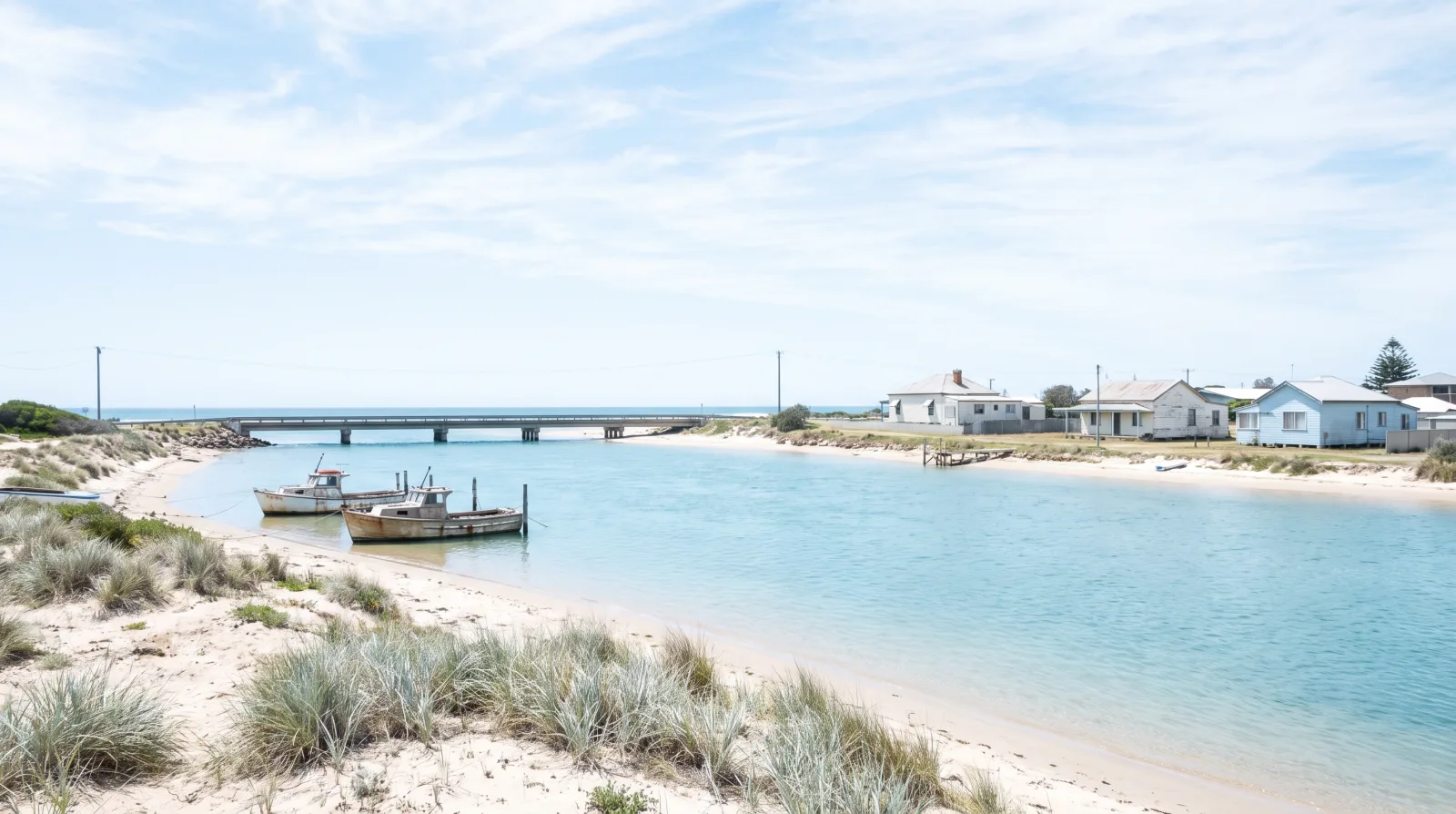
Swansea sits where the lake finally reaches the sea: the channel and the bridge, the salt air off the ocean, and streets of hard-working older homes, plenty of them let out over summer. It is a town that runs on a season, which is exactly the kind of place a standing round is built for.
What the work looks like here
Salt on the outside, moisture underneath
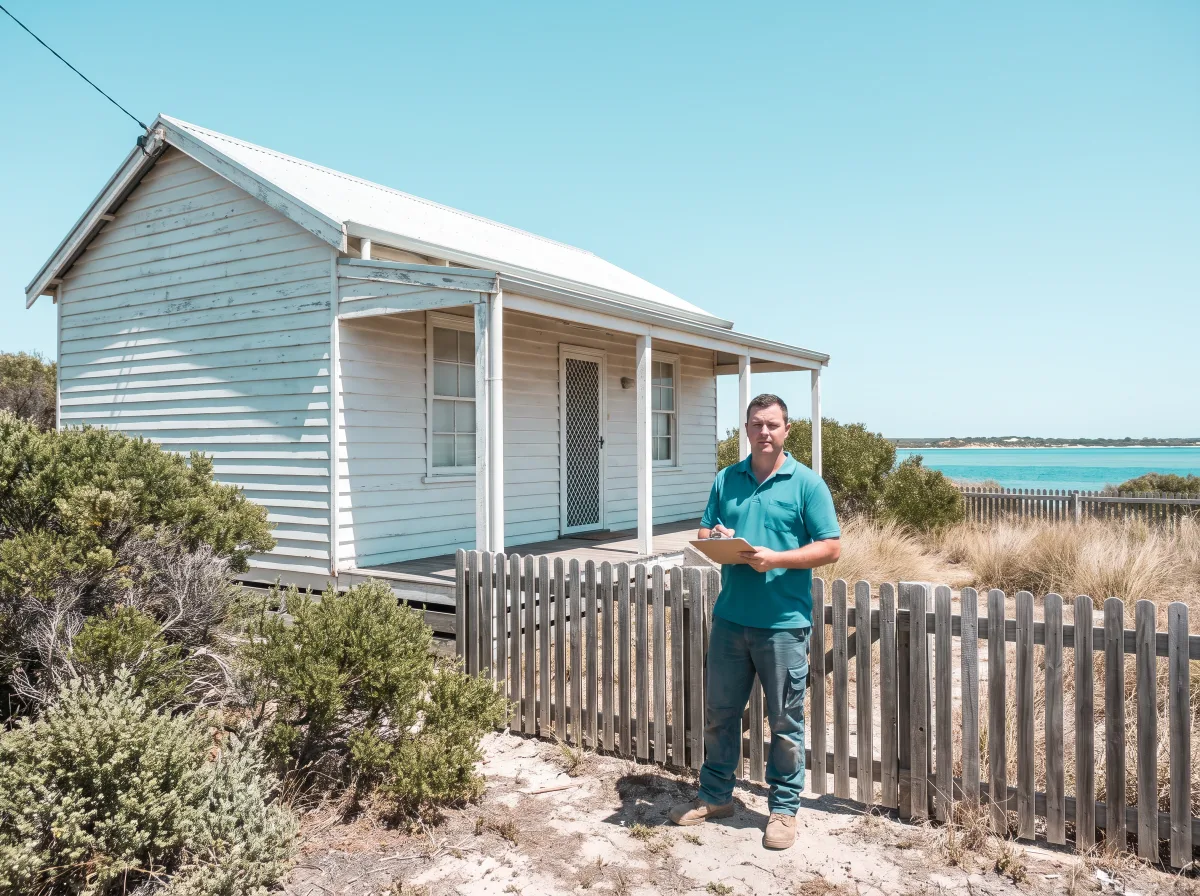
Swansea is a town of older, well-used homes: weatherboard and fibro cottages near the channel, brick-and-tile up the hill, a lot of them timber-floored on subfloors and most of them a good few decades into their life. Homes like these are where a termite inspection earns its keep, and a Swansea job tends to begin under the floor: torch across the ant caps, along the bearers, over the vents, reading how much moisture the salt air and the ground have been holding.
The salt gets talked about a lot here, and it is worth being straight about what it does. Ocean air is hard on the outside of a house: it weathers paint, rusts fixings and eats at metal, which is a maintenance job, not a pest one. What matters for termites is different and quieter, the ordinary coastal mix of established timber, a humid climate that barely lets up (this coast runs well over a metre of rain a year), and a subfloor that stays damp. That combination sits in the high end of the coastal termite band, and it is what the inspection is really looking at.
The gardens tell their own story. Give a channel-side cottage a few decades and a garden bed finds its way up over a weep hole, a paver settles against the wall, spare timber ends up leaning on the shed. None of it means termites; all of it is conducive condition, the kind of thing the inspection lists and the report explains so you know what to watch between visits.
The town that runs on a season
Pest work that fits the changeover
A lot of Swansea's housing earns its keep over summer as holiday lets and short stays, and pest control for a let is a documentation job as much as a treatment one. The value is a service that fits the calendar and leaves a record behind.
For an owner or a short-stay manager, the problem is timing, not treatment. Guests come and go on changeover day, the place is empty for a window in between, and pests do not check the booking calendar. So the service that works is a scheduled one: general pest treatment booked into the quiet windows, timed ahead of the summer run when cockroaches and ants are at their busiest, and worked in around the bookings rather than against them.
The other half is the paperwork. A managed property keeps a file, and a documented pest service is part of it: a written report after each visit that shows what was done and when, ready for the managing agent, the owner or an insurer who asks. That is the same discipline behind our commercial work, and for an owner-occupied home it folds neatly into the annual home round. Tell us it is a let in the enquiry, and roughly how the bookings run, and we will build the visits around that.
Mud leads up a pier, a soft skirting, timber that sounds hollow: leave it undisturbed and book an inspection. Disturbing termites just sends them deeper into the timber, and it is the one thing that makes a bad find worse. A set-fee inspection tells you what is actually there.
Visits scheduled into the quiet windows between guests, and timed ahead of the summer peak rather than in the middle of it.
General treatment done while the place is empty, so there is a clear window before the next arrival and nothing lingering for a guest to meet.
A written report after every service, dated and specific, for the file the managing agent or owner keeps.
No same-day promise and no guaranteed pest-free let: we book the round and keep it. A termite find always goes to a proper inspection, never a footpath verdict.
The southern entrance
The round at the mouth of the lake
The bottom of the lake is its own little world of water and sand. Blacksmiths sits barely two kilometres away across the channel on the ocean side, with the beaches and the sandy streets that go with it; Swansea Heads holds the point where the channel opens to the sea, and the lakeside streets run back up toward Pelican and Marks Point. It is a patch of older coastal homes, holiday shacks and permanent houses side by side, and the round runs all of it.
We do not publish a suburb-by-suburb drive-time table for the southern entrance, because the honest answer is simpler: if your place is around Swansea or the channel, it is in the round. Name your street in the enquiry and it is covered, whether it is a permanent home, a rental between guests, or a shack that only gets used over summer.
On the register here
What Swansea books us for
-
01
Termite inspections, and management where findings justify it
Swansea's yearly routine for its older subfloor homes, and the job to book before a renovation opens a wall. Worth starting in your first season, in a coastal market where holiday places change owners without much noise.
the service → -
02
The annual home round
Treatment set to the coast's calendar: cockroaches and ants before the heat, rodents once autumn sets in, with the yearly termite inspection carried on the same visit.
the service → -
03
Holiday lets and the channel strip
Scheduled service worked around the bookings, and documented each visit for the file: for short-stay owners and managers, and for the cafes and shops along the water.
the service → -
04
Rodents in the older weatherboards
Autumn work in a town of salt-worn timber homes: finding and sealing the entry points first, so bait is the backstop rather than the plan.
the service →
Asked in Swansea
Local questions
We let our place out over summer. How does a pest service work around guests?
Tell us it is a let in the enquiry and roughly how the bookings run. We schedule the treatment into the quiet windows between guests, ideally ahead of the busy season rather than in the middle of it, and you get a written report after each visit for the file. What we will not do is promise a pest-free let or a same-day dash: we book the round and keep it, which is what actually holds up over a summer.
Does living right on the channel change the termite risk?
Not in the way people expect. Salt air is hard on the outside of a house, on paint and fixings and metal, but that is a maintenance issue, not a termite one. The termite story here is the quieter coastal one: established timber, a humid climate that barely eases off, and subfloors that stay damp. That mix sits in the high end of the coastal risk band, which is exactly why the yearly inspection is worth keeping. Only an inspection establishes whether anything is actually active at your place.
Do you get down past the bridge, around Blacksmiths and the Heads?
Yes. Blacksmiths is barely a couple of kilometres across the channel, and the round runs the southern entrance: Swansea and the Heads, the beaches on the ocean side, and the lakeside streets back toward Pelican. If your place is around the mouth of the lake, it is covered. Name the street in the enquiry so we can plan the visit.
It is an older weatherboard shack. What will it cost to inspect, and is today possible?
An inspection for termites carries a fixed price, confirmed as we book you in. Management work, if the report calls for it, gets priced off the findings rather than from the street. No same-day rush is promised, because the inspection takes the time it needs and an older weatherboard gives an inspection plenty to look at. Send the enquiry form and we'll write back to settle on a day.
Sources worth your time
- NSW EPA: pesticide and pest management licensing. Pest management is licensed trade work in NSW, and termite work carries its own endorsement. This is the regulator that administers it.